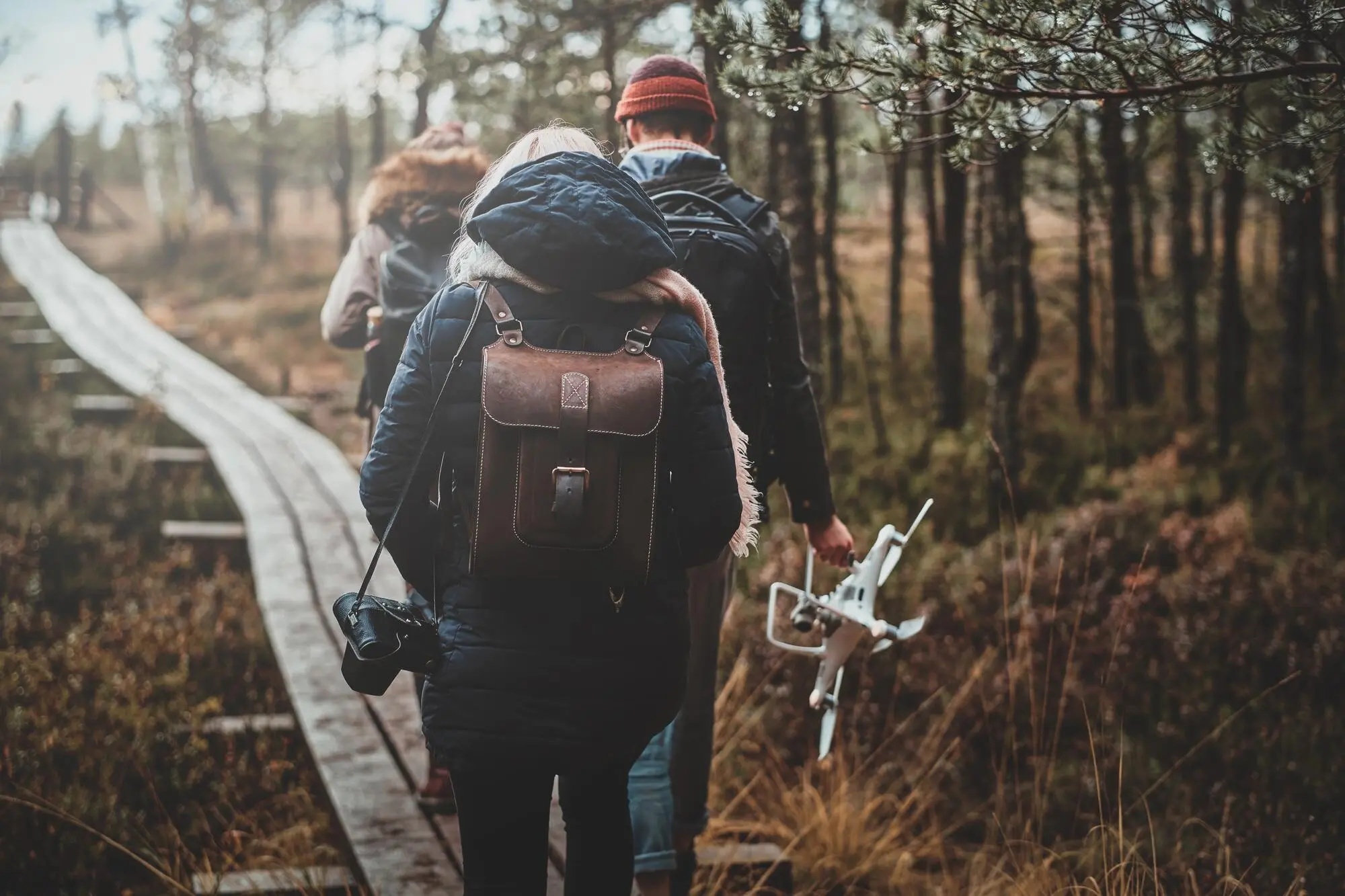
Golden Hours Along Highland Lochs

Join us as we trace the shoreline paths and quiet lay-bys that reveal unforgettable lochside sunset photography viewpoints across the Highlands, from windswept sea lochs on the west coast to pine-framed basins near Aviemore. Expect mirror-still reflections, copper clouds, and mountain silhouettes deepening into indigo. We will share precise spots, practical tips, and stories that help you arrive early, compose confidently, and wait for that last surge of color after the sun slips away. Bring curiosity, patience, and a warm flask for lingering twilight. Tell us where you love to watch day’s last color kiss the water, and subscribe to receive fresh waypoints, weather windows, and behind-the-scenes field notes.

Where West Turns to Fire

West-facing sea lochs gather Atlantic glow, with broken cloud producing blazing edges and radiant water. Seek pull-offs near Loch Torridon, Loch Ewe, or the narrows of Loch Hourn, framing headlands in silhouette. Scan tide lines, protect gear from spray, and compose low to let reflections double the drama.

Chasing the Afterglow Inland

In sheltered basins the sun may drop behind distant ridges, yet rosy bands linger and bounce across water long after the disk fades. Position opposite warm horizons to paint mountains with soft sidelight. Loch Morlich, Loch Maree, and Loch Shiel often reward patience with gentle pastel symphonies.

Eilean Donan’s Tidal Drama, Loch Duich
Arrive as the tide turns to reveal boot-friendly foreshore textures and glittering reflections beneath the castle lights. Park legally, watch slippery weed, and compose diagonally from the stone bridge toward the western sky. As lights glow, bracket exposures to balance twilight gradients with illuminated stone and moody clouds.

Reeds and Granite at Loch Maree

From the Slattadale picnic area, modest paths lead to low rocks, reed beds, and views across the island-dotted expanse toward Slioch. Late light streams between peaks, grazing ripples with copper. Keep low, include textured foregrounds, and allow small reeds to echo jagged summits in gentle alignment.

Gear for Salt Spray, Peat, and Long Twilight

Coastal air, peaty banks, and lingering dusk challenge equipment, yet thoughtful packing keeps creativity free. Carry a sturdy tripod, microfiber cloths, graduated and neutral density filters, a rain cover, spare batteries warmed close to your body, and a headlamp. A midge net and repellent can save entire evenings in summer.

Filters That Shape the Sky

Soft-edge grads tame bright horizons without carving awkward lines through hills, while reverse grads manage fiery bands right at the horizon. Use a circular polarizer sparingly over wide angles to avoid blotchy skies, and rotate for reflections control instead. Consider bracketing frames for flexible, natural blending later.

Stability and Sharpness in the Breeze

Extend tripod legs wide, set spikes on firm ground, and hang a weighted bag from the hook to dampen gusts. Disable image stabilization on a locked tripod, use a remote or delay, and shield the setup with your body. Check sharpness at high magnification before light peaks.
Compositions Born at the Waterline

Water invites patience and precision, rewarding subtle shifts in stance with profound changes in balance and mood. Work low for elongated reflections, pivot slightly to align reed heads with peaks, and leave intentional negative space. Let diagonals from shorelines guide the eye toward color while small textures anchor intimacy.

Weather, Seasons, and Timing in the Far North
Latitude gifts drawn-out transitions that can mislead the hurried traveler. Sunsets arrive late in midsummer and mercifully early in December, while golden hour length expands and contracts with cloud thickness. Track wind shifts, rainfall gaps, and high cloud advection so you position yourself where edges ignite.

Respect, Access, and Local Wisdom

Scotland’s Outdoor Access Code invites responsible exploration, balancing freedom with care. Park considerately in designated spaces or broad lay-bys, close gates, and avoid disturbing livestock or anglers. Keep noise low at dusk, mind drone regulations, and tread gently on saturated peat, remembering communities live and work beside these waters.

Navigating Single-Track Roads Safely

Yield into passing places on your left where possible, never park in them, and signal thanks to locals who time their stops. Plan return routes in darkness, carry a headlamp and reflective layer, and drive slowly for deer that wander roads near loch margins after sunset.

Leave No Trace Beside Fragile Shores

Pack out everything, even fruit peels and tea bags, and avoid trampling reed beds or rare shoreline plants. Disperse use, stick to durable surfaces, and resist building fires where turf scars last years. Your careful footsteps preserve the silence that makes twilight photography here feel sacred and shared.

Conversations That Open Doors

Say hello to anglers, ferrymen, and crofters; ask where parking causes least fuss and what times wildlife rests. Share a favorite image on your phone, offer to email a copy, and listen. Friendly exchanges yield invitations, weather tips, and stories that deepen belonging around these storied, shining waters.